

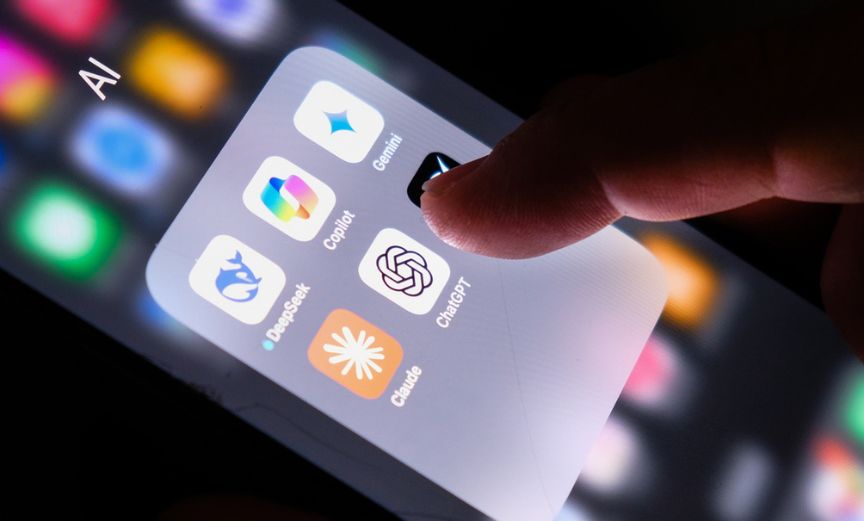
As we look to the year of travel ahead, one thing is certain: artificial intelligence is no longer a fringe player in travel marketing, it’s centre stage in the evolution of the industry.
But is AI the hero of the story or the villain? At this year’s World Travel Market (WTM), we found attendees were optimistic but wary.
From personalisation to overtourism, AI’s impact on travel is complex
When we asked WTM delegates about the biggest challenges facing the industry in 2026, overtourism topped the list. Interestingly, AI was close behind – ranked alongside extreme weather and shifting legislation. This signals a very real sense of threat, and it’s worth unpacking why.
The most common negative impacts delegates are already witnessing include:
– Misleading content about destinations (48%)
– Loss of human touch in customer interactions (44%)
– Contribution to overtourism in already popular areas (32%)
Clearly, AI isn’t without its pitfalls. But it’s not going anywhere – and therein lies the opportunity.
AI is transforming how travellers plan, book, and connect
Despite its drawbacks, travel professionals at WTM also confirmed that bookers are already using AI for a host of practical purposes, especially:
– Travel admin tasks – like managing tickets and documents (42%)
– Destination and activity inspiration (39%)
– Branded chatbots and virtual assistants (38.5%)
According to the World Travel Market Travel Trends Report1, only 18% of travellers currently use AI to plan trips. That may sound modest, but it represents an 80% increase from last year – a staggering growth trajectory that reflects rising trust in AI’s personalisation capabilities.
The PR opportunity
Our own survey revealed:
– 25% of attendees believe AI will be the leading source of destination inspiration
next year, surpassing traditional travel companies, OTAs, and human agents (21%)
– 25% of respondents cited media as a top source of travel inspiration
– AI is predicted to outshine popular culture influences like TV, film, and books
(14%), despite the enduring popularity of “set-jetting.”
Viewed together, these stats highlight a golden opportunity for PR.
With AI regularly citing earned media, the power of PR is in helping travel brands to be visible and discoverable across multiple search environments as part of Generative Engine Optimisation strategies.
Delivering trusted, credible, and helpful content will be key in 2026.
Balancing Tech with Humanity
Love it or loathe it, AI is reshaping how travellers book and how marketers must plan. But amid the algorithms, it’s vital not to lose sight of the human behind the booking.
Consumers are craving authenticity and real-life experiences, an antidote to what’s been dubbed “AI slop.”
Mintel’s 2026 Global Consumer Predictions Report reinforces this trend: 63% of UK adults say AI makes them value things created by humans even more2. In an era of shrinking attention spans – now averaging just eight seconds – the desire for meaningful, offline experiences is stronger than ever.
Travel in 2026: Connection and Community
Despite economic uncertainty, travel spending continues to rise. Drivers include:
– Local experiences (54%)
– Entertainment-led experiences like sports fandom and live music (50%)
– Culinary tourism including wine tasting (39%)
– Immersion in nature including wilderness retreats and farm stays (39%)
While hotspots remain popular, our research shows that interest in second cities, off-peak travel, and non-viral destinations is growing. This offers marketers a chance to promote sustainable, experience-led alternatives to overburdened, over touristed areas – with the help of AI.
AI will undoubtedly shape the travel experience in 2026, but it’s not the whole story. The real opportunity lies in helping travellers find fulfilment, connection, and authenticity while leveraging AI as a tool, not a replacement for human empathy and instinct.